

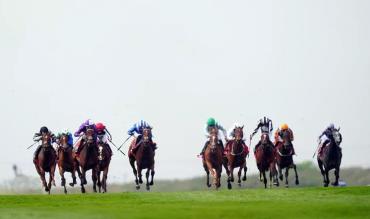

National Racehorse Week is an annual event in the United Kingdom that gives people an opportunity to learn more about racehorses and the care they receive away from the racecourse.
The event opens the doors of racing yards, studs and other organisations involved in the sport, allowing members of the public to see what happens behind the scenes.
It is designed to provide a more complete picture of the lives of racehorses and the people who work with them, long before they take to the track and feature in horse racing betting markets.
- Frequency: Held annually, usually in late August.
- Location: Across the UK — England, Scotland, Wales and Northern Ireland.
- Organiser: Supported by the British Horseracing Authority, Racing Welfare, Retraining of Racehorses (RoR) and other industry bodies.
What Happens During the Event
- Open Doors: Racing yards, stud farms, training centres, equine welfare organisations and racecourse facilities open to the public free or at low cost.
- Behind the Scenes Access: Visitors see stables, turn-out fields, exercise areas, and meet racehorses in their everyday environment.
- Education & Insight: Demonstrations, talks and activities explain racehorse care, training, nutrition, grooming, veterinary care, and what happens to racehorses after their racing careers end.
- Meet the People: Interact with trainers, jockeys, grooms, stud staff, re-trainers and welfare teams to understand their roles and commitment.
- Core Purpose: To show the full lives of racehorses — not just when racing — build public understanding, highlight high standards of care, and promote responsible ownership and aftercare.
Aims Of The Week
One of the main aims of National Racehorse Week is to demonstrate the level of attention given to racehorses throughout their lives. Racehorses require carefully planned diets, regular exercise and frequent health checks.
Their routines are adapted to their individual needs, with trainers and stable staff monitoring their condition and behaviour. By allowing the public to observe these activities, the event helps explain the responsibilities involved in looking after a racehorse.
The week also highlights the many different people who contribute to the racing industry. Trainers, stable staff, jockeys, veterinarians, farriers, breeders and rehabilitation specialists all play important roles.
Looking after a racehorse is a team effort, and National Racehorse Week provides an opportunity to recognise the knowledge and dedication of these individuals.
Life After Racing
Another important part of the event is educating visitors about what happens when a horse's racing career comes to an end.
Not every horse remains in racing throughout its life. Some move into breeding, while others are retrained for different activities or become pleasure horses. Understanding these pathways can give the public a broader view of the racehorse's life beyond its time on the track.
Overview
National Racehorse Week is an opportunity to look beyond the excitement of race day and discover the everyday lives of the horses involved in racing.
It celebrates the care, skill and commitment that go into preparing racehorses while encouraging greater understanding of the industry. For visitors, it can be an enjoyable and informative experience, offering a rare glimpse into a world that many people only see from the racecourse grandstand or their television screen.
With National Racehorse Week fast approaching, learn more about how to bet on horse racing at 888sport.
